Battery Backup Power Solutions for Stevensville, MT Homes
Battery Backup Power Solutions for Stevensville, MT Homes
Battery backup systems in Stevensville, MT store energy from solar panels or the grid so your home keeps running when the power goes out — a real concern in rural Montana.
How Does a Battery Backup System Actually Work?
A battery storage system charges from your solar array or utility connection and automatically supplies power to your home when the grid fails or your panels are not producing enough.
When the grid goes down, the battery system detects the interruption and switches your home to stored power within milliseconds. That near-instant transition means sensitive electronics, refrigerators, and medical equipment stay on without a noticeable gap. The speed of that switchover is one of the biggest practical differences between a battery backup and a traditional generator.
Battery systems can be sized to cover essential circuits only or your entire home load, depending on your energy needs and budget. Homeowners looking to find battery storage options in Stevensville often start by reviewing which appliances they most need to keep running during an outage. That prioritization shapes the system size and the number of battery units required.
What Makes Battery Storage a Smart Fit for Rural Montana?
Rural areas like Stevensville, MT experience longer outage durations on average because utility crews must travel farther to restore service, making local stored power especially valuable.
The Bitterroot Valley sees significant weather variability, from heavy snow loads in winter to summer thunderstorms that can knock out transmission lines. A battery system gives you a buffer that does not depend on road conditions or crew availability. That independence is a meaningful advantage when the nearest utility substation is miles away.
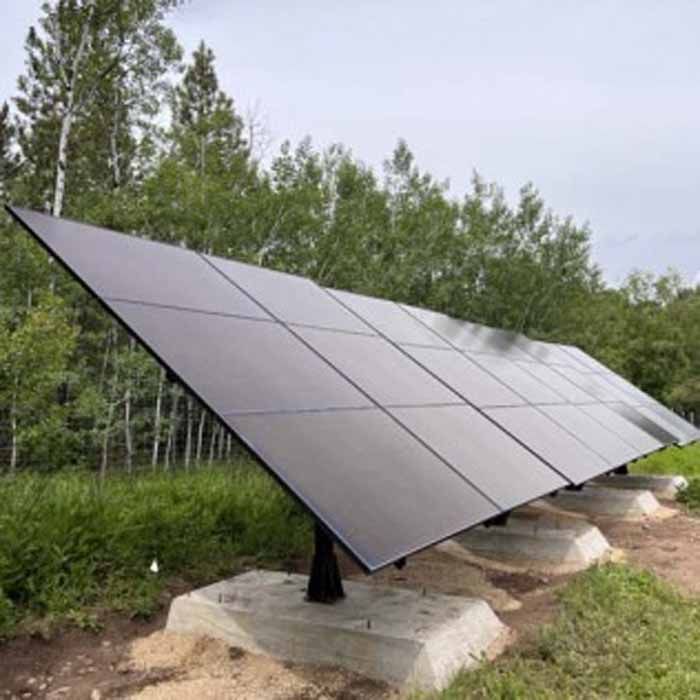
Battery backup also pairs naturally with solar energy systems already installed on your property. During the day, excess solar production charges the batteries rather than being sent back to the grid at a lower rate. At night or during a storm, that stored energy comes back to power your home without drawing from the utility.
Which Battery Technologies Are Commonly Used Today?
Lithium iron phosphate and lithium-ion chemistries are the most widely installed battery types for residential backup, offering a compact footprint and reliable cycle performance.
Older lead-acid battery banks are still used in some off-grid applications, but modern lithium-based systems deliver more usable capacity from the same physical size. They also tolerate deeper discharge cycles without the same degradation risk, which matters when you are drawing heavily during a multi-day outage. The chemistry choice affects how the system is wired, ventilated, and monitored over time.
How Stevensville, MT Weather Shapes Backup Power Needs
Cold Montana winters reduce battery efficiency slightly, so systems installed in Stevensville, MT are typically sized with a seasonal buffer to maintain reliable output even in sub-freezing temperatures.
Battery cells perform best within a moderate temperature range, and prolonged cold can temporarily reduce available capacity. Proper enclosure placement — whether in a conditioned garage, basement, or insulated outdoor cabinet — helps maintain consistent performance through January and February. An experienced installer will account for your specific site conditions when recommending placement and sizing.
Spring runoff and summer storm seasons also create grid instability in the valley, adding to the case for local storage. You can explore complete power generation options in Stevensville by reviewing power generation system design in Stevensville to see how battery storage fits into a broader energy plan. Combining storage with generation gives you the most resilient setup for Montana's variable conditions.
Battery backup is one of the most practical investments a rural Montana homeowner can make for energy security. Remote Power Systems designs and installs battery storage solutions tailored to your home's load and location — request a free estimate to start planning your system.